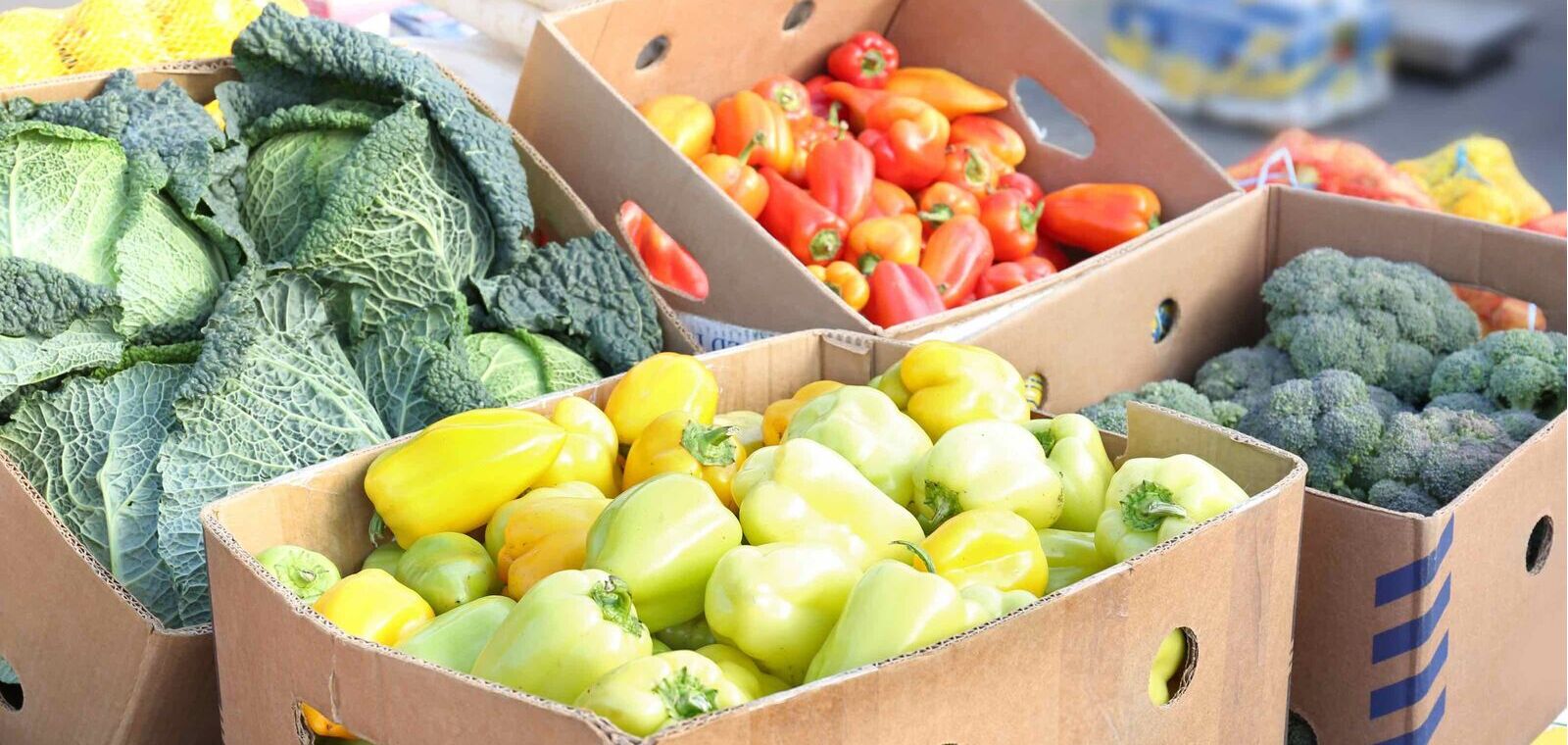
Food is donated to Second Harvest Food Bank of Metrolina through grocery stores, food manufacturers and distributors, and community food drives. The food is collected, sorted and stored in Second Harvest distribution centers (branches) in Charlotte, Hickory, Rowan, Spartanburg and Anderson. It is then distributed to a network of over 950 nonprofit partner agencies including food pantries, soup kitchens, shelters, low-income day care centers and senior programs.
General Food Bank FAQs
The Food Bank serves 14 counties in North Carolina including Anson, Burke, Cabarrus, Catawba, Cleveland, Gaston, Iredell, Lincoln, Mecklenburg, Montgomery, Rowan, Rutherford, Stanly and Union and 10 counties in South Carolina including Abbeville, Anderson, Cherokee, Greenwood, Lancaster, Oconee, Pickens, Spartanburg, Union, and York. In our 24 county region of North and South Carolina, over 483,000 people live in poverty. Sadly, this number includes 151,000 children and 57,000 seniors.
Approximately 75% of the food we distribute is donated, 7% is purchased and approximately 18% of the food comes from government commodities.
In fiscal year 2023-2024, the Food Bank distributed almost 90 million pounds of food and household products to our network of over 950 partner agencies.
In addition to boxes and cans like cereal, pasta, canned vegetables, soup, tuna and peanut butter the Food Bank also provides over 54 million pounds of fresh produce, meat and dairy products each year. These healthy foods are items those living in poverty need to stay healthy but struggle to afford.
Second Harvest also distributes a wide variety of non-food products including diapers, paper products, hygiene and school supplies. Our food bank also provides pet food for families in need and for dozens of pet rescue operations throughout our region.
Second Harvest has made ending child hunger our #1 goal. With 151,000 children in poverty in our region we work with agency and school partners to help feed as many hungry children as possible.
Our Kids Cafe program helps provide nutritious meals and snacks to children being served at Boys and Girls Clubs, Communities in Schools Sites, YWCA daycare sites and other low-income day care programs throughout our region.
Our Backpack Program provides backpacks full of ready-to-eat nutritious foods to children at risk of hunger on weekends and holidays when school meals are not available. The Food Bank annually provides over 520,000 backpacks in 22 counties.
With 57,000 seniors in our region facing the difficult choice between affording the medicine they need to stay healthy and the food they need to stay healthy, Second Harvest has programs aimed at ending senior hunger.
The Second Helping Program works with our Meals on Wheels partner agencies to provide monthly supplemental food boxes to homebound elderly throughout our region. The Food Bank also hosts open air produce markets helping to provide fresh fruit and vegetables to seniors at risk of hunger.
Working poor families in our region face hard choices every day – to pay rent or buy food, to pay utilities or buy food, to take a child to the doctor or buy food. School-based mobile pantries are provided at high poverty elementary schools.
These on-site shopping experiences provide staple items, produce, meat, dairy and whole grain breads to help families provide more nutritious options for their children. Annually, Second Harvest hosts over 200 school-based mobiles.
The food bank also delivers mobile pantries to rural areas of our service territory. Poverty rates are high in these areas and resources, including transportation, can be scarce. Our trucks deliver up to 10,000 pounds per trip.
Families and seniors in need also struggle to feed their pets. Second Harvest believes pets are very important family members and work with our emergency pantries to help stock pet food and supplies.
The Food Bank also handles salvage pet food providing hundreds of thousands of pounds annually to rescues to help save pets. Second Harvest also donates supplies that help rescues save funds that can be redirected towards helping more animals.
Second Harvest believes that the food bank should be a community resource for those in need throughout our region. We have many creative ways that we are helping families, seniors and children (over and above food resources). Some of these include:
- Providing Crisis Assistance Ministry with housewares, bedding and other useful household products to stock their Free Store;
- Providing Med Assist and dozens of free clinics with all types of over-the-counter medicines and medical supplies to help those in need;
- Providing school and craft supplies to Classroom Central to help teachers afford the supplies they need;
- Providing bleach, paper products, trash bags and distilled water to Spay Neuter and Humane Societies throughout our region, helping to reduce operating costs and save more pets.
A food bank and a food pantry are two very different things.
A Food Bank is a non-profit organization that sources, gathers, sorts, and inventories food, then warehouses and transports it to partner agencies like food pantries, soup kitchens, homeless shelters, senior centers and low-income daycares that provide food directly to individuals in need. A Food Bank has the capacity to distribute millions of pounds of grocery product every year; Second Harvest Food Bank of Metrolina distributes approximately 90 million pounds of food each year and serves over 950 partner agencies in a 24 county region (14 in NC and 10 in SC). Second Harvest also manages five branches within their service area to reach more partner agencies, like food pantries, to obtain nutritious food in the quantities they need for their clients.
A Food Pantry is an individual site that distributes bags or boxes of food directly to those in need who reside in a specified area. A Food Pantry is a member agency of, and obtains food from, a Food Bank. Both Food Pantries and Food Banks share the same commitment: to provide food to those in need.
The Food Bank provides food to hundreds of emergency pantries, soup kitchens, shelters and senior centers. All of these agencies stand ready to serve the brave men and women who have fought for and protected our freedoms. Second Harvest also partners with veteran's organizations and services for mobile distributions throughout the year.
Food Bank Network FAQs
Over 950 not-for-profit organizations (known as partner agencies) such as food pantries, soup kitchens, shelters, low-income day care facilities and senior programs, receive food from the Food Bank either by picking up at one of the Food Banks five branch locations or through deliveries to rural locations through mobile pantries. These agencies are on the front lines of hunger, directly providing food to the community.
A Partner Agency is a qualified not-for-profit organization that partners with the Food Bank to distribute food to those in need. These agencies cover the full spectrum of sophistication and stability, but are typically volunteer-run, community-based and under-funded. Agencies fall into several different categories:
- A food pantry is an agency that provides groceries to individuals and families. Meals are prepared at home by the recipients.
- An emergency shelter is an agency that provides food and lodging to homeless individuals and families.
- A soup kitchen is an organization that provides hot meals to individuals and families.
The Food Bank's Agency Services Department regularly monitors all agencies for proper food storage, handling and distribution. Along with partnership, agencies receive advice, training and technical assistance. Agencies are grouped into regional networks to facilitate cooperative problem-solving, resource sharing and support.
In order for an organization to become a Partner Agency with the Food Bank, the organization must meet a number of guidelines.
If you have questions please contact Kari Winters, Agency Services Manager, at kwinters@secondharvest.org.
Individuals and families in need of food assistance can use our Agency Finder to find a site near them. If you do not have computer access call the Food Bank’s main line, 704-376-1785, and our receptionist will assist you.
For long-term assistance, individuals and families should refer to the North Carolina Department of Health and Human Services website in North Carolina and the South Carolina Department of Social Services website in South Carolina.
Food Bank Financial FAQs
The majority of funding comes from individuals, corporations, foundations, organizations, churches, special events and community food/fund drives.
As a registered 501c(3) organization established in 1981, all monetary donations to the Food Bank are fully tax deductible. Our EIN (or tax ID number) is 56-1352593. View our IRS Letter of Determination.
How much of my donation goes to feeding people?
98% of all contributions go directly to programs and helping those in need. This means only 2% of your donation goes to administrative overhead, making the Food Bank one of the most efficient charities in our region. The Food Bank also has a Charity Navigator Four-Star Rating indicating sound financial management and organizational efficiency. Read more about the impact of your donation on our Annual Reports section.
The Food Bank deeply values both monetary and food donations!
A food drive is a great way to engage community support and promote awareness of hunger in our communities. Many participants feel a deep sense of reward by contributing food that they have purchased at the store or pulled from their own pantries.
Other donors prefer the ease and efficiency of making a tax-deductible monetary donation. The Food Bank can make a tremendous impact with monetary donations: for every dollar donated, the Food Bank can distribute 7 pounds of food.
In order to operate at the highest efficiency and comply with auditing guidelines the Food Bank has a central processing location for financial donations located in Charlotte. As our main headquarters and largest distribution center most of our staff are housed there as well.
The Food Bank has branch locations in Hickory and Salisbury in North Carolina and in Spartanburg and Anderson in South Carolina. These branches and the main branch in Charlotte facilitate food distribution in all 24 counties of our service region.
Simply include this information with your donation and we will be happy to restrict the donation to the location of your choice.